
Does Man United and Real Madrid hiring a caretaker manager make sense?


Manchester United finished in 15th place last season. In 2023-24, they finished eighth. They briefly jumped up to third in 2022-23, but they finished sixth the previous season. United have had a net-zero goal differential or worse in three of the past four seasons. Mediocrity is the new normal.
So, when they fired their manager Ruben Amorim earlier this month -- without a replacement lined up -- where were they sitting in the table? It must've been 16th, right? Or, maybe 12th? A tiny bit of progress, but not enough progress for the fourth-richest club in the world, right? When Manchester United fired Ruben Amorim, they were tied for fifth place.
If that seems foolish, then wait until you hear what one of the only clubs richer than Manchester United did last week. Real Madrid fired their manager, Xabi Alonso, after a cup-final loss to Barcelona. Real Madrid also didn't have a replacement lined up, but that's one of those bone-deep, generational rivalries like Michigan-Ohio State where a loss might even outweigh a championship.
Except, this wasn't the Champions League final or even the Copa Del Rey. No, it was the Spanish Super Cup: the fifth-most important competition either team will play in this season, at best, and a tournament whose final rounds are now played in Jeddah, Saudi Arabia -- in 80-plus-degree weather, in the middle of the season, while Spain is just entering winter.
But maybe this was the last straw. Real Madrid must be struggling in the Champions League, right? No, they're on pace to get a first-round bye -- better than they did last year. OK, what about in LaLiga? They're just four points back of first, and their expected-goal differential, the most predictive metric for future success, is the best in Spain.
So, two of the biggest clubs in the world are on the verge of successful seasons. Madrid could still win the Champions League and LaLiga after not coming close to doing either last season, while United are in the middle of a wide-open race for the Champions League places after finishing three spots clear of relegation just a year ago. And they both just fired their managers without knowing who would replace them.
Both clubs will wait until the summer to figure that out, as they made clear when they announced their new coaches -- Alvaro Arbeloa at Madrid and Michael Carrick at United -- will have the roles only through the end of the season. Both clubs have a ton to play for. And they (A) fired their very young and very expensive managers, and (B) didn't bother finding a guy they could trust to coach the team for more than a couple of months.
I'm not sure they're doing it on purpose, but ... doesn't it seem as if the clubs in Madrid and Manchester are telling us that managers aren't that important?
- Ranking the USMNT's top U-21 prospects of 2026
- 'Head coach' vs. 'manager': Why title matters for Man United
- Predicting Premier League table: How will all 20 teams finish?
Why managers matter -- and why they don't
There's a robust corner of academia without a real home: the study of coaching effects. Successfully quantifying the value of a soccer coach won't win the respect of your peers who are zeroing in on the protein pathways that lead to Alzheimer's or doing anthropological field work in Colombia to better understand the meaning of the coca leaf. But if you tell people in sports about the findings, you will get laughed out of the locker room and told to go back to the library.
That's because most studies have found that coaches don't have much of an effect. This is so obviously wrong -- and so obviously right, at the same time.
It's wrong because, well, we've seen Jurgen Klopp transform the way Liverpool played and performed, we've seen Pep Guardiola turn Manchester City's sovereign wealth into long-lasting possession-based dominance, and we all saw what happened when Jurgen Klinsmann managed the U.S. men's national team or Diego Maradona took the reins with Argentina. Coaches can inspire certain players, focus on certain strategies and change the way a team plays.
You don't need to be an expert or an elite athlete to understand this. If you played sports at any point, you'll remember some coaches who helped you become a better player and others who made you want to renounce the premise of competition and join a monastery.
At the same time, though, managers matter less than we think for a couple of ultimately obvious reasons. The first is clear if you listen to any manager talk about managing a soccer team: They don't play. "If your players are better than your opponents," legendary player and manager Johan Cruyff once said, "90% of the time, you will win."

One way I like to think about the difference: If the average fan managed France at the World Cup and Klopp managed the USMNT, then France would still be heavy favorites to win. But if the average fan played center forward for France and Kylian Mbappé played for the USMNT, then the USMNT would probably be favored -- or at least it'd be close.
Which brings us to the second reason coaches matter less than we think: The pool of potentially effective managers is way bigger than the pool of potentially effective players.
If you're a truly awful coach who can't identify your team's best players and then asks them to do things on the field that decrease their chances of winning, then you won't get a chance to manage in the Champions League. And so, what most studies tend to reveal is that the majority of top-level managers, over a long timeframe, don't show any quantifiable difference between each other. The tendencies of certain coaches might blend particularly well with certain players at a certain time -- such as Arne Slot with Liverpool last season -- but most coaches can't maintain the added value as the variables at every team change, year after year.
In a study published at last year's Sloan Sports Analytics Conference, George Ferridge found what I think of as the condensed version of managerial analytics: Almost everyone is clustered around the average, and then, there are a couple of outliers in both directions. Klopp and Guardiola, in particular, graded out as significantly better than other coaches.
"This indicates that while many managers have little to no correlation with player performance, a number of managers are associated with either largely positive or largely negative deviations in those performances," Ferridge wrote. "This is in keeping with findings from other papers on the differential impact of top-level impact but the overall substitutability of managers in the field."
A 2010 study titled "The performance of football club managers: skill or luck?" came to similar findings. The study controlled a team's results for wages, transfer spend and injuries, and then awarded any under- or over-performance to the manager. What's most interesting, though, is which coach the study identified as the one who consistently delivered above-average results.
It's who Manchester United and Real Madrid have hired to oversee the long-term futures of their squads: No Manager.
"Of all 60 managers, it is interesting that on this measure, having no permanent manager at all is the ninth best," the authors of the 2010 study wrote.
The rationale and the risk of the caretaker coach
So, if having no manager ranks better in many cases than having a manager, what does that mean? The study concluded: "This may reflect the fact that players are likely to put in extra effort in the short term under a caretaker manager as their future at the club and livelihood may be at stake."
It would be too facetious for even me to suggest that Manchester United and Real Madrid are (A) aware of this study, and (B) misinterpreting the conclusions so poorly that they think not having a permanent coach will actually boost results. But I think it says something about the state of modern soccer that two of the biggest clubs in the world, both in the middle of seasons where desirable objectives are still achievable, have given the keys to short-term coaches who are former players with no experience coaching anywhere near a Champions League level.
Arbeloa has never been a professional manager, while Carrick has never managed in the top flight of any country.
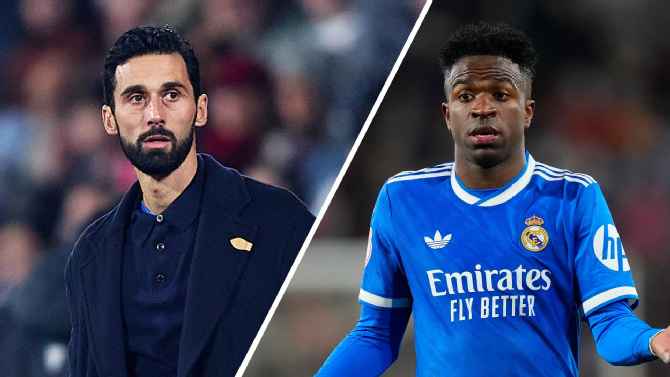
Now, the factors that led both clubs here are a little different. Under Jim Ratcliffe's partial ownership, United are trying to become a more modern organization where various people are involved in building the roster, and United fired Ruben Amorim after he publicly said that he didn't want to deal with that. Madrid, meanwhile, fired Xabi Alonso for almost opposite reasons: they're still a player-and-president-run club, and Alonso tried (and failed) to implement a modern tactical approach that demanded more of his star players than they were willing to give.
Whatever the reasons, though, there is a kind of logic to both decisions -- if we give both clubs the benefit of the doubt that the managerial situations were untenable. Granted, that's a very big "if" given the general dysfunction both clubs tend to cultivate, but if there are only a couple of coaches who will make your team better, then you might as well take your time in trying to find one of the guys who might do that. And the chances that one of those guys is available in the middle of a season is quite low -- especially with a number of successful managers who will become available after the World Cup ends this summer.
So, rather than panicking and making another expensive long-term bet on top of the expensive decision you just made in firing your coach, isn't it better to bring in a low-cost option to finish the season? Especially if the baseline assumption should be that most coaches don't drive results to any meaningful degree.
After all, we've seen plenty of interim managers be successful -- both in older academic literature and more recent real-life. In 2012, Chelsea won the Champions League with Roberto Di Matteo as their interim manager. In December 2019, Bayern Munich fired Niko Kovac and named Hansi Flick as their caretaker. At the end of the season, they won the Champions League. Gareth Southgate literally became a knight because of his work as England manager, a role he was initially given on an interim basis. Perhaps most famously: Mario Zagallo won the 1970 World Cup with Brazil after being appointed only temporarily, just a couple of months before the tournament started.
Of course, the downside is that your interim choice is one of those coaches who makes his teams worse. Given you're selecting from a by-definition less-accomplished pool of people who would be willing to sign up for a short-term gig, the chances of hiring a bad coach is higher than normal. Sometimes, say, Tottenham replaces Antonio Conte with interim manager Cristian Stellini, and then he gets fired and replaced by interim manager Ryan Mason -- and both caretakers oversee a significant decline in results.
And so, that is the risk and the paradox of the situations in Manchester and Madrid, and with managerial roles more broadly. Hiring a coach is an expensive decision that could transform your club. But what's more likely is that it won't move the needle, in one way or the other.
The most likely outcome for United and Madrid from here is that both continue playing at about the same level that wasn't good enough to keep them from firing the past two guys they hired.
Transfer rumors, news: Liverpool eye Tottenham's Van de Ven

Liverpool and Real Madrid are keeping tabs on Tottenham's Micky van de Ven. Join us for the latest transfer news and rumors from around the globe.
Transfers home page | Men's winter grades | Women's grades
TRANSFERS TO WATCH
TRENDING RUMORS
- Liverpool center back Ibrahima Konaté remains a way off signing a new contract, reports Teamtalk. Konate believes he should be among the highest-paid defenders in the Premier League, causing an issue with signing a contract extension. However, Teamtalk also report that Liverpool have a replacement in mind. The club are interested in Tottenham defender Micky van de Ven, even though any deal would likely have to invovle a significant transfer fee. Real Madrid are also keeping tabs on the Netherlands international's situation.
- Chelsea are considering a move for Bournemouth defender Marcos Senesi, according to talkSPORT. The club are interested in a center back -- ESPN sources confirmed that they have held talks with Rennes over Jérémy Jacquet -- and they have added Senesi, whose contract expires in June, to their shortlist of transfer targets. Barcelona and Juventus have also been linked with him.
- Arsenal are willing to part ways with striker Gabriel Jesus. The Daily Mail reports that Palmeiras are interested in the 28-year-old, but it is said that he would prefer to be given until the end of the season to prove himself. Meanwhile, The Sun reports that Arsenal are looking at 19-year-old Real Madrid defender Víctor Valdepeñas. They are reported to be among several top clubs that have sent scouts to watch him after he made his debut in the LaLiga match against Alaves last month. Valdepenas is able to be deployed at center-back as well as full-back.
- Uncertainty is growing regarding the future of Atletico Madrid forward Julián Álvarez, according to journalist Matteo Moretto. It is reported that clubs are checking on the 25-year-old's situation, who has recently been linked to Barcelona. The Blaugrana believe that a deal could be difficult to secure for Álvarez given Atleti's expected valuation, but they are prepared to make a move if there is a willingness to negotiate. Fabrizio Romano reports that the LaLiga club are "closely following" Paris Saint-Germain forward Gonçalo Ramos as a signing for the summer, which could see the 24-year-old Portugal international lined up as a potential replacement for Álvarez should he leave the Wanda Metropolitano.
- Al Hilal midfielder Rúben Neves is open to a switch to Manchester United, per Football Insider. The 28-year-old's representatives are said to have made contact with United regarding a potential switch to Old Trafford, and there is a possibility that they make a move for him before the transfer window closes. Elsewhere, manager Michael Carrick is keen to keep hold of midfielder Kobbie Mainoo, according to Fabrizio Romano. Despite previous reports indicating that he could be sent out on loan, he is believed to have earned the "instant trust" of the Man United interim head coach. Mainoo played 90 minutes of the 2-0 Premier League win over Manchester City on Saturday.
DONE DEALS
- Bournemouth have signed Hungary midfielder Alex Toth a reported £10.4m.
EXPERT TAKE
Is Man City's signing of defender Marc Guéhi a shrew signing or an unnessary premium? ESPN's Nedum Onouha gives his take:
I think Abdukodir Khusanov has done well. Max Alleyne has done well, but to bring in a full England international at this point of the season. Yes, the premium is paying £20m for him and maybe he would have come at the end of the season. But the necessity is there now. If they want to be successful at the end of the season, they can't really afford to have that [weaknesses] come March and April time when push comes to shove.
One thing about City's defence is that John Stones, Nathan Aké, they are getting a little bit older than you'd hope when building a team for the future. But Guehi, in his mid-20s, is a great signing not just for now but for the future as well.
OTHER RUMORS
- Marseille are trying to sign Arsenal teen Ethan Nwaneri on loan for rest of season. (The Athletic)
- Barcelona are keen on Real Sociedad goalkeeper Alex Remiro. (Mundo Deportivo)
- Napoli have been offered the chance to sign Chelsea winger Raheem Sterling on loan. (Nicolo Schira)
- The €15m permanent option clause in the loan deal of Manchester City defender Manuel Akanji is expected to be activated by Internazionale. (Fabrizio Romano)
- Atletico Madrid have identified Atalanta midfielder Ederson as a potential replacement for Conor Gallagher, who joined Tottenham Hotspur this month. (Mundo Deportivo)
- Girona are set to sign Barcelona goalkeeper Marc-André ter Stegen on an initial loan deal. (Marca)
- A switch away from Anfield is expected for Liverpool winger Federico Chiesa in the summer. (The Times)
- Fenerbahce are continuing their pursuit of Al-Ittihad midfielder N'Golo Kanté. (Fabrizio Romano)
- Schalke and Paris FC are battling to sign Fiorentina striker Edin Džeko. (Florian Plettenberg)
- Crystal Palace, Nottingham Forest, and Leeds are interested in Fenerbahce defender Jayden Oosterwolde. (The Sun)
- An approach for Al-Ahli midfielder Franck Kessié is under consideration from Juventus. (Calciomercato)
- Wolves and Crystal Palace are leading the race to sign Chelsea defender Axel Disasi. (Ekrem Konur)
- Multiple clubs including Everton and Newcastle are interested in Genoa versatile wing-back Brooke Norton-Cuffy. A deal worth €20m would be enough to land the England youth international. (Ben Jacobs)
- Cruzeiro are demanding an offer worth in the region of €15m for left-back Kaiki, who is on the radar of Como. (Fabrizio Romano)
- A move for Atletico Madrid midfielder Thiago Almada is being considered by Galatasaray. (Foot Mercato)
January transfer window: Grading big signings in men's soccer


Premier League clubs spent a record £3 billion ($4 billion) in a summer transfer window that smashed the previous record of £2.36 billion ($3.2 billion) from two summers ago.
So will January follow the same pattern? Here are grades for all the major confirmed transfers in the men's game, with each listed by date and then by highest fee.
All fees are reported unless confirmed with an asterisk.
Jan. 19



Marc Guéhi
£20m ($26m)
Crystal Palace: D
Man City: B+
With center backs Rúben Dias and Josko Gvardiol injured and a gap to Arsenal at the top of the Premier League table opening up, City decided to swoop for Guéhi. A transfer fee of £20 million (plus bonuses) is obscenely cheap for a player of his established quality, but the reported wages of £300,000 per week mean the overall financial package is hardly a bargain.
For Palace, this is devastating. Their captain has departed for a fee well below market value (because his contract was set to expire this summer), after they rejected £35 million for him back in August. Guéhi departing now seriously harms the Eagles' chances of winning the UEFA Conference League this season.
Jan. 16


Donyell Malen
Loan
Aston Villa: A-
Roma: B-
Malen's stay in the Premier League lasted just one year. He signed for an initial €25 million ($29 million) last January and quickly moved on to Roma for a €2 million loan fee and €25 million option next summer, which looks like good work from Aston Villa as they were never able to find a place for him in their best XI.
The Dutchman's speed and instinctive finishing should shine brighter in Serie A as the league speed is a little slower, and Roma's attacking system will incorporate and support him better.
Jan. 14


Conor Gallagher
€40m (£34.7m; $46.7m)
Atlético Madrid: A
Tottenham Hotspur: B-
Gallagher returns to the Premier League after 18 months in LaLiga. The first 12 months of that stint were pretty successful, but this season he has fallen out of the first XI due to hugely increased competition. Atlético will ultimately be delighted to receive a fee of €40 million for a player who has made just four league starts this season.
Tottenham are signing a 25-year-old, homegrown midfielder whose athleticism is off the charts. The only question that lingers is over his profile: They've lacked a passing master for over a year, but never seem to address that issue, instead signing combative midfielder after combative midfielder.
Jan. 13


João Cancelo
Loan
Al Hilal: D
Barcelona: A+
In desperate need of defensive reinforcements, Barcelona have turned to the market and found a gem of a deal: Cancelo, on a half-season loan, is a brilliant addition to the team. He's already taken in one previous loan spell at Barça in 2023-24, so is returning to familiar surroundings. His ability to play left or right back will take the strain off a number of players currently pushing themselves to the limit.
Al Hilal get a D grade because they're losing a quality player for very little (Barcelona will pay a portion of Cancelo's wages), but the money doesn't actually seem to matter to PIF-owned clubs in Saudi Arabia.

Jan. 9

Antoine Semenyo
£62.5m ($84m)
Bournemouth: A
Manchester City: B-
Semenyo had a £65 million release clause this winter, but City have secured an initial deal just below that figure. In doing so, they paid what has become the peak rate to bring in a Premier League-proven attacker in his mid-20s, -- a benchmark roughly set by Matheus Cunha (£62.5 million) and Bryan Mbeumo (£65 million) to Manchester United, then solidified by Eberechi Eze (£60 million) to Arsenal last summer.
It's a lot of money to sign a player about to turn 26, but City need to be able to score goals outside of Erling Haaland, and the Ghana international's 21 strikes in the league over the last 18 months suggest he's up to the task. Plus, he's a relentlessly hard worker -- no forward has made more ball recoveries than Semenyo (101) this season -- and an astute presser.
Jan. 5

Taty Castellanos
€30m (£26.1m; $35m)
Lazio: A
West Ham: B-
Castellanos has a distinctive aesthetic when striking the ball, which he mixes with some aggressive running and pressing (leading to lots of fouls and yellow cards) and the willingness to drop off, receive the ball and turn.
He's done OK since moving to Europe from MLS side New York City FC, but in Serie A specifically he has consistently struggled to finish chances (he underperformed his xG by 3.3 in both his previous campaigns). That might be because he has a habit of scoring spectacular goals, but misses the easy ones. Lazio were likely more than happy to collect a decent fee for a 27-year-old striker who never really nailed down a first-choice role at the club. This is definitely a gamble from West Ham.
Jan. 2

Brennan Johnson
£35m ($47m)
Tottenham Hotspur: A
Crystal Palace: B-
Johnson enjoyed two productive seasons with Tottenham, relying on two key traits -- speed and scoring goals at the back post -- to carve out a role under then-manager Ange Postecoglou that culminated in him scoring the winner in the Europa League final. But since Thomas Frank took the reins in June, the Wales international has fallen down the pecking order, making just eight starts in the Premier League and Champions League.
Crystal Palace is a nice landing spot for him. The Eagles are in desperate need of players -- they have a small squad which is now being squeezed by injuries, absences and an absurd schedule -- and Johnson's counter-attacking pace suits the manager's style.

Pablo
€21m (£18.3m; $25m)
Gil Vicente: A
West Ham: B-
West Ham are betting on the hot hand here. They're in the thick of a relegation scrap and need to find goals fast, so they've turned to a man who could barely be running hotter. Pablo has scored 10 goals from just 13 shots on target in the Portuguese Primeira Liga, a frankly ridiculous return, and he's overperformed his xG ever since joining Gil Vicente in 2024. But has absolutely exploded this term.
The Brazilian will do extremely well to keep this up at Premier League level, but at the very least brings other skills to the table: He is a physical, hardworking forward who wins lots of fouls and poses a constant threat at set pieces -- and, at 22, he has plenty of room to grow.
Niclas Füllkrug
Loan
West Ham: D
AC Milan: A
Add Füllkrug to the long list of West Ham strikers who simply have not worked out in the past 10 years. Injuries tore up his 2024-25 campaign and he has struggled to find a footing ever since. The Hammers will be happy to have his wages off the books, but the problem with this deal from their perspective is there's no finality to it: If Milan don't take up the €5 million permanent option, they're back to square one.
Milan have taken advantage of this to strike a cheap, short-term, no-risk deal. The Germany international will bolster the squad in attack, suit Max Allegri's style of play and be happy to impact off the bench -- if he can stay fit enough to make the matchday squads.
Jan. 1

Alysson
£8.7m ($11.7m)
Grêmio: C+
Aston Villa: B+
Alysson is an exciting attacking prospect; a right-footed left winger with good one-vs.-one skills and a willingness to put in a defensive shift. This move comes very early into his career, but Gremio's extreme financial difficulties presented a market opportunity for the Premier League club to pounce upon.
The Brazilian's profile is one that Aston Villa are sorely lacking heading into 2026, so making the move for him makes sense. The only question is how soon he'll be able to contribute to the first team, given the step up he's making is huge.


Endrick
Loan
Real Madrid: A
Lyon: A
January's first major deal was one that suited all parties perfectly. Endrick played a paltry 99 minutes in all competitions for Real Madrid in the first half of the season, slipping down to the position of fourth-choice striker at best. For the 19-year-old to develop, and to potentially nab a spot in Brazil's 2026 FIFA World Cup squad, he needs to play much more.
Lyon are the happy recipients of Endrick's talents on a temporary basis. Reports suggest they'll pay half his wages and are contractually obliged to play him in lots of games. For a club whose top-scoring No. 9 in Ligue 1 this season has just two goals, it's an exciting acquisition.
Man United's stunning derby win, AFCON chaos, Barcelona lose, and more


This weekend in soccer gave us plenty to break down across Europe's top leagues and in some cup competitions, like the Africa Cup of Nations. Where should we begin?
How about the Manchester derby, which saw Manchester United shock rivals Manchester City with a 2-0 win that is a major blow to Pep Guardiola's aspirations for yet another Premier League crown. (Arsenal extended their league lead by a point after their 0-0 draw at Nottingham Forest, but more on them later.)
The AFCON final ended with Senegal crowned champions over hosts Morocco, but not before some drama, a walk-off and a major interruption in play that threatens to overshadow what was a brilliant tournament. Thomas Frank's Tottenham tenure looks increasingly tenuous following yet another home defeat (this time to fellow strugglers West Ham), and in LaLiga, Real Sociedad pulled off a stunning 2-1 win over league leaders Barcelona that has added fresh juice to a tense title race.
Elsewhere, we have plenty to unpack in Serie A (with talking points galore around AC Milan and Inter Milan's matches in particular), and with Liverpool (who were reunited with variance vs. Burnley), Bayern Munich (who appear set to smash every Bundesliga record), Crystal Palace (whose turmoil continues), Real Madrid (who won, but appear to be drifting) and much more.
It's Monday morning, so what better time for some musings? Let's get into it.
- Ogden, Dawson: Making sense of Man United's big derby win
- Lindop: Liverpool's margin for error is disappearing in top-four race
- Dove: Chaotic AFCON final was an embarrassment

 New Man United (sort of), same old Man City (sort of)
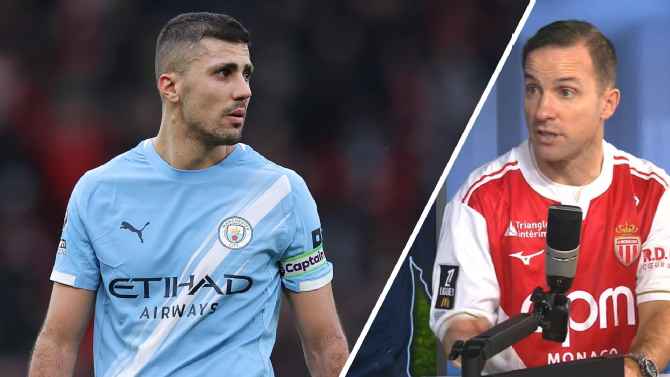
Such was the desire -- or rather, the need -- of Manchester United fans for a lift that it wasn't going to take a lot to get them out of their seats, but their 2-0 beatdown of Manchester City surpassed even the most optimistic expectations. They held Manchester City to a single shot on target while having seven of their own, more than any other side that faced Pep Guardiola's men in the league this season. They limited Erling Haaland to 14 touches, of which just three were in the penalty area. They scored twice, hit the woodwork twice, had two more disallowed for very tight offside calls and forced Gigio Donnarumma to make at least one exceptional save.
Would it have been a different story if Diogo Dalot had been sent off -- as he probably should have been -- for that foul on Jérémy Doku after just 11 minutes? In terms of result, probably. In terms of performance, assuming the United players had shown the same intensity and resilience they showed at 11 vs. 11? Probably not. The lift was evident, and while some of it can be ascribed to the "new manager" effect -- wanting to impress, guys who were sidelined before coming back hyper-motivated, a change in the tactics -- that boost actually already came with Darren Fletcher at the helm. The side Michael Carrick put out in his first outing just felt different on the Old Trafford grass.
Nobody should get carried away with this one result, and my guess is most United fans won't. They've had enough false dawns since Sir Alex Ferguson said goodbye, and I imagine they recognize just how far this team has to go. And they also recognize, given the previous Ole Gunnar Solskjaer experience, how they'll need to agonize over whether Carrick is the right guy to get them there. But Saturday showed what United can be, and that matters too. As does the fact that, in this bizarre (Arsenal aside) season, United are fifth in the table, one point behind the current champions. It's as if another mini-season began Saturday, and they're enjoying every minute.
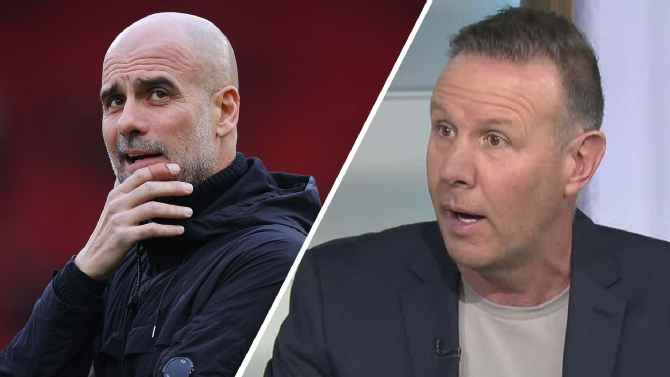
As for City, Guardiola might have put it best when he said that United "had something we did not have." He's right, but the question is whether it was due the "new manager bounce" or his own team's deficiencies.
We can talk about coaching decisions and substitutions (Rayan Cherki on the bench) and lack of energy, but the reality is that City have now won two of their past six games: against Newcastle in the League Cup (when it could have gone the other way) and against League 1's Exeter City in the FA Cup third round.
I suspect a big part of this run is the uncertainty over the back line, which lost Josko Gvardiol and Rúben Dias to injury. A solid base and guys who can defend one-on-one has a knock-on effect when it comes to what happens higher up the pitch. Marc Guéhi's impending arrival -- unless there are last-minute snafus, because we've been here before with Guehi -- will help, though it's worth remembering he'll need to settle into a system and a culture that is very different from what he had at City. Still, that's not the only fix that's needed.
Even as they try to grind out results and chase Arsenal, City haven't looked like the side of several years ago. There's a cohesion that needs to be built, and it's still a work in progress. Guardiola will need to sort it out on the training pitch amid major fixture congestion.
There's enough talent to walk to second place in the league, and of course, anything can happen in the Champions League. But this group is far from its potential right now.

 AFCON final will be remembered for the wrong reasons
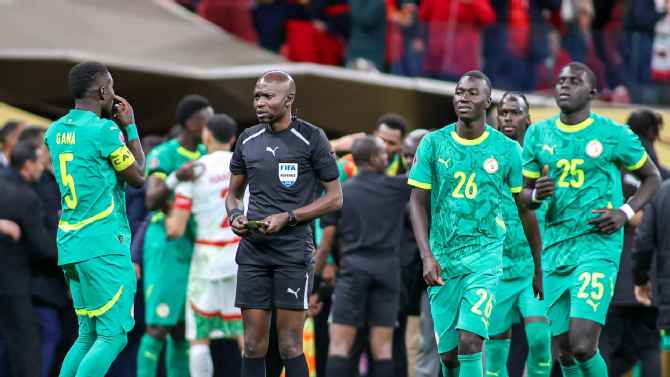
Ideally, we'd recall the good, with Pape Gueye scoring a stunning goal in injury time to give Senegal the 1-0 win and an Africa Cup of Nations crown over hosts (and heavy favorites) Morocco. Except there's a lot more to it than that.
Let's begin with the backstory. Morocco have invested heavily in football. They have a tight relationship with FIFA and president Gianni Infantino. They were awarded the 2030 World Cup as co-hosts. And both Cameroon and Nigeria, whom they beat in the quarterfinals and semifinals (the latter on penalties), complained about the officiating when they faced them.
Because it's football, inevitably, the conspiracy theorists were out in force suggesting that Morocco were being favored. That came to a head late in the game, when Ismaïla Sarr's goal was disallowed after referee Jean-Jacques Ngambo Ndala called Abdoulaye Seck for a foul on Achraf Hakimi in the immediate buildup.
It was, quite obviously, the wrong call: Any contact was slight, and Hakimi was already falling backwards. But because the referee blew his whistle straight away, the VAR could not intervene. It was a basic case of terrible refereeing, though disgruntled observers might say it was preemptive officiating. There's no reason to blow your whistle so quickly: Let things play out, and let the VAR sort it.
Deep in injury time, a penalty was awarded when Senegal's El Hadji Malick Diouf bundled Brahim Díaz to the ground and all hell broke loose. Was it soft? To me, such incidents should be punished as fouls every single time. But if you haven't been calling them all game, you can't start doing so in the eighth minute of injury time. Senegal protested, as coach Pape Thiaw took all his players (except for Sadio Mané) off the pitch and into the dressing room for what felt like an eternity.
Ndala looked confused; meanwhile, the crowd was furious. By the letter of the law, if you abandon the field of play without the referee's permission, you get booked. If you don't return, you forfeit the game. Eventually they came back and the penalty was taken: A generous term in this case, given how ill-advised and badly executed Diaz's Panenka was, only for it to land softly in Édouard Mendy's arms. Pape Gueye scored early in extra time, and given what we saw in the game (walk-off excluded), Senegal were worthy winners, with Yassine Bounou having to make a number of difficult saves.
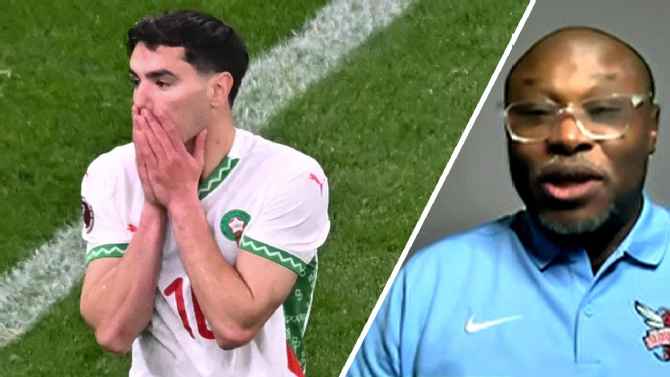
This isn't over, of course, because there will be fallout as the CAF tries to unpack this. Walking off the pitch like this should, at a minimum, bring a heavy fine and sporting sanctions. Some have even suggested that Senegal's World Cup participation would have been at stake had they not returned. The ill will will linger, because it's international football and that's how it works, everywhere in the world. You just hope people will be grown-up enough to not generalize as they so often do, but rather hold those responsible to account.
 Tottenham's tailspin shows no signs of abating
With Saturday's 2-1 home defeat to West Ham -- which gave them nine of a possible 33 points at home this season -- it's now two wins in 13 league games for Tottenham, who have slid down to 14th in the table.
When you have your own fans singing "sacked in the morning," and when stories leak to the media that the club are looking for alternatives, the writing is usually on the wall for a manager. The "good" -- or "least bad" -- news for the embattled Thomas Frank is that they face Borussia Dortmund on Tuesday in the Champions League. A win keeps their top-eight hopes alive, while a draw should be enough to secure a place in the playoff round. (A defeat and more bile from the crowd? Well ...)
The other indications that Frank will get some more time are that Johnny Heitinga was appointed as his assistant just last week. You would assume -- unless the folks running Spurs are the clown show from hell -- that Heitinga arrived with Frank's blessing and that if Frank goes, he'd go too. (Nobody can be that much of a Judas, can they?) The alternative -- that they basically told Frank to hire Heitinga so he could train his replacement -- is something you'd see faceless, sadistic corporations do, and you'd assume Spurs are better than that.
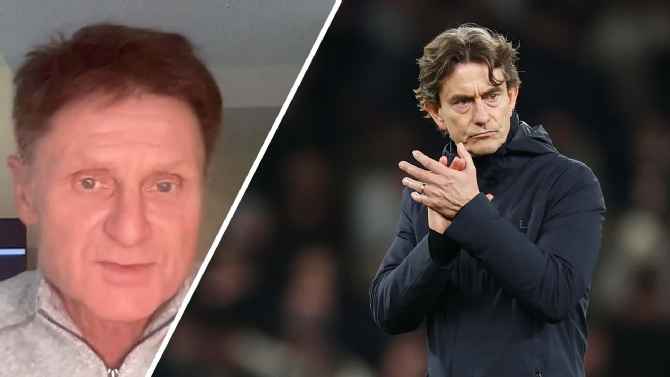
Frank said on Saturday that he felt he had the confidence and backing of the club's higher-ups. It's hard to tell whether his nose got any longer when he said that, but again, would you invest €40 million in Conor Gallagher -- who, let's face it, has a pretty specific skill set -- if you were ready to ax your manager?
At some point, coaches who don't get results and who get hammered by the fans enter a toxic death spiral. For all of Frank's mistakes and misjudgments, I don't think we're there yet. Then again, I didn't think that was case for Enzo Maresca at Chelsea or Xabi Alonso at Real Madrid, and we know how those situations ended.

 Matarazzo, Real Sociedad stop Barcelona on cursed night at Anoeta
Man, this is a weird sport. Even as Real Madrid endure one of the worst weeks in their history (see below), they somehow make up three points on Barcelona, who lost 2-1 to Real Sociedad in a game they utterly dominated, hitting the woodwork five times, seeing a number of goals disallowed and recording an xG of 3.68.
Credit Rino Matarazzo for picking up a Sociedad side two points from the relegation zone less than a month ago and lifting them to eighth, taking points off Atletico Madrid and Barca along the way. But make no mistake: This win took a yeoman's defensive effort (Álex Remiro standing on his head, to put it in hockey terms), a sprinkling of good fortune and the usual defensive snafus that plague Hansi Flick's team.
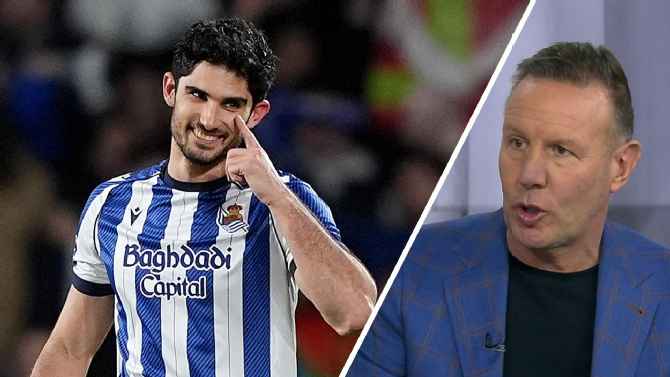
Had Barcelona won this game 4-2, Flick could talk about his philosophy and how it's all about outscoring the opposition. Fair enough. But the defensive foibles that led to the two conceded goals -- Mikel Oyarzabal making himself invisible to Jules Koundé for the first, nobody coming anywhere near Gonçalo Guedes in the middle of the penalty area for the second -- have nothing to do with high lines, attacking mindset or any of the other stuff for which Flick gets criticised when Barca drop points. It's just poor defending and not being aware of danger. You don't need to compromise your philosophy to fix that.
Quick hits
10. Bayern Munich comeback terrifies (again): At halftime, RB Leipzig vs. Bayern looked like the likeliest situation for Vincent Kompany to suffer his first defeat of the season. They were on the road against a quality opponent who were a goal up and had wasted two or three crystal-clear opportunities en route to a 2.03 xG in 45 minutes. Harry Kane and Serge Gnabry were MIA, as was this season's starlet, Lennart Karl, and Leipzig winger Yan Diomande was monstering them on the flank. Then came the second half, which saw Bayern score five times off 10 shots on target and post an XG of 3.99 for a 5-1 win. To make matters worse, Jamal Musiala made his return off the bench and Alphonso Davies' return is near. What are you going to do?
Bayern are on track to score 134 league goals this season. The record is 101, set by -- who else? -- Bayern in 1971-72. They are also on track to notch 94 points; the high-water mark is 91, set by Pep Guardiola's Bayern. We've seen them dominate before, but this season feels different. The fact that they can half-ass the first 45 minutes and then switch on and road-grade the opposition feels different, too.
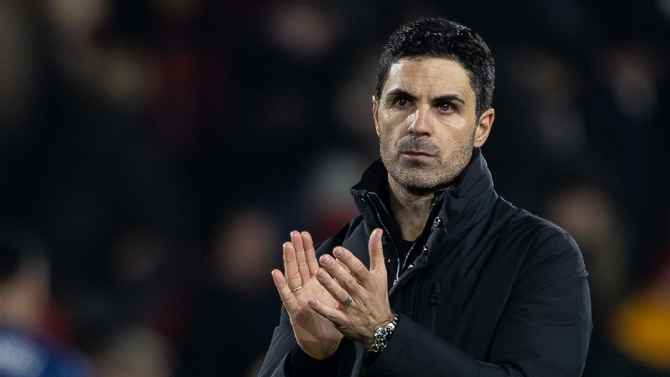
9. Arsenal may want to remember that the tortoise beat the hare: Instead of, say, fretting that they didn't win away to Nottingham Forest to pull nine points clear of Manchester City. Or insisting that they were robbed because the Ola Aina incident should have been a penalty. Or slamming Mikel Arteta for managing Bukayo Saka's playing time, leaving him on the bench until the hour mark. (If you want to have a go at the manager, maybe opting for Gabriel Jesus over Kai Havertz when it came to replacing the star-crossed Viktor Gyökeres is more apropos.)
Sure, they took the pitch knowing Manchester City had been hammered in the derby and that this was a golden opportunity. But it's not as if they played badly or Arteta parked the bus. Nottingham Forest are a tough nut to crack, and maybe if Martinelli (who had a poor game, but scored a hat trick a week ago) had been more composed, they would have broken through earlier. As it happens, when the xG reads 2.10 to 0.34 in your favor, you really can't ask for much more, particularly when your attacking output didn't come at the expense of the defensive solidity. (Forest didn't have a single shot on target.) Slow but steady can -- not will, but can -- win Arsenal the league. It's their best possible approach right now.
8. Niclas Fullkrug foolproof for Milan, who stay second in Serie A: Sorry, I couldn't resist. The big man came on 20 minutes from time and headed home the winner five minutes later in a 1-0 win over Lecce that had become purely one-way traffic. He'll get the headlines -- rightly so, though Alexis Saelemaekers did put his cross on a plate for him -- but look beyond the result, and Max Allegri can be proud of a decidedly un-Allegri-like performance in the second half, after a cautious first 45 minutes.
Milan dominated (the xG of 3.02 to 0.17 tells its own story) and Allegri needed two playmakers (Ardon Jashari and Samuele Ricci) with Luka Modric out, but it was nevertheless a comprehensive win. (Or, maybe, it was a comprehensive win precisely because not everything had to go through Modric.) Only Allegri knows whether Milan would have played the way they did after the break had their goal come in the first half, or if they had reverted to the usual safety-first approach once taking the lead. But what we saw after the break shows that they can beat you in different ways and can create chances even when the opposition park the bus, as Lecce did.
7. Variance rears its head for Liverpool, and we knew this day would come: Liverpool won a string of games early in the season with a series of improbable late goals: Federico Chiesa against Bournemouth (88 minutes), Rio Ngumoha (90+10) at Newcastle, Dominik Szoboszlai against Arsenal (83), and Mo Salah at Burnley (90+5). They did this without playing particularly well, which is why most expected some sort of regression to the mean later in the campaign. And that's what we got on Saturday in a 1-1 draw with Burnley at Anfield.
Dominik Szoboszlai missed a first-half penalty, they had 73% possession and 11 shots on target, and yet aside from Florian Wirtz's impressive strike, the ball wouldn't go in. Meanwhile, Marcus Edwards, who hadn't scored in 11 months, uncorked a peach of a finish that beat Alisson in the second half. Unlucky? Sure. But at the risk of beating a dead horse, let's not get lulled into a sense of security here. This setup, with Jeremie Frimpong and Milos Kerkez as your fullbacks, is not something you're likely to want to replicate too many times. And the gaping holes in the squad that were there before are still there and unaddressed, two-thirds of the way into the January transfer window.
Presumably, they realize this: The guy they tried to sign on Deadline Day in August, Marc Guehi, is going to end up signing for a direct competitor, Manchester City. If there was a need then, there is even more of a need now.
6. Inter keep rolling with win at Udinese, with just one nit-pick: Such is the imbalance among the haves and have-nots that too many clubs (not just in Serie A, but around Europe) seem to approach games against top sides by simply raising the barricades and hoping for the best. Udinese appeared to do just that for Inter's visit (they had 27% possession in the first half and took a single shot in the first 58 minutes) and the tactic worked until Lautaro Martínez (who else?) broke the ice, capping off a stunning goal in a 1-0 win.
That was the pretty version of Inter. They didn't score again -- nor did they reach those heights -- but then, they didn't need to. They still dominated the rest of the way despite Cristian Chivu opting to rest the likes of Marcus Thuram and Alessandro Bastoni ahead of the Champions League clash with Arsenal in midweek. If you want to nit-pick, here goes. This is a low-scoring sport, mistakes can happen at any time. You'd feel a lot better about Inter if they could put games they dominate away early.
5. Late VAR penalty to the rescue for Borussia Dortmund: This time, it wasn't the incident -- an obvious (and unnecessary) foul from Ricky-Jade Jones -- but the location. Was it in the box or outside the box? I genuinely couldn't tell, but then I'm not a trained VAR operator. Suffice to say it was awarded, Emre Can converted and Borussia Dortmund won 3-2 at home to St. Pauli to stay second in the Bundesliga, "just" 11 points behind Bayern Munich.
That may have been the biggest talking point, but it's certainly not the only teachable moment for Niko Kovac's crew. With Fábio Silva preferred to Serhou Guirassy (again) up front, they were 2-0 up and cruising. With 30 minutes to go they had limited the opposition to 0.24 xG and it all looked easy-peasy. But leads need to be defended, ideally by not conceding silly set pieces and keeping the ball in the opposition half, which is exactly what they didn't do.
Shades of the old Dortmund? It felt like it. But at least it's three points.
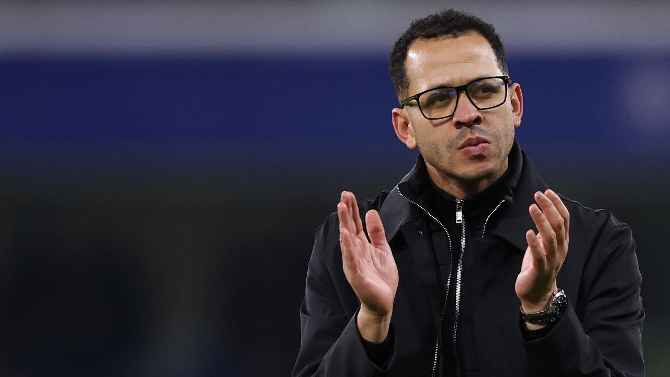
4. Three points (but not much else) in Liam Rosenior's first real test for Chelsea: I say first real test because, with the greatest of respect, Charlton away in the FA Cup with a shadow squad and Arsenal at home in the League Cup without Cole Palmer, Reece James or Moisés Caicedo needs to be graded on a curve. All three were back against Brentford, and Chelsea recorded a 2-0 win, but the performance suggests we're nowhere near where Rosenior wants (and needs) them to be, despite his postgame cheer.
Chelsea were outshot 15-6 at home (5-2 in shots on target) and they shaded the xG (1.59 to 1.52) only because Caoimhín Kelleher gifted them a penalty late on, which Palmer converted. The other goal, from João Pedro, was another present, this time from Michael Kayode. Those were their only shots on target. Meanwhile, Kevin Schade's unselfishness cost Brentford a near-certain goal, a superb Robert Sánchez save denied him on another occasion and Mathias Jensen hit the woodwork. You assume Rosenior is aware of all this.
3. Never mind the result ... Juventus are on the right track; and no, they don't need Jean-Philippe Mateta: It was another one of those games away to Cagliari. The home side had one shot on target and a cumulative xG of 0.11 while parking the bus and conceding possession (82% after the break) as Juventus huffed and puffed, but couldn't find a way through. Cue pulling of hair and gnashing of teeth.
Frankly, it's rather absurd because Juve played well and did more than enough to win a game they ended up losing 1-0. I'm not a Luciano Spalletti guy, but he's getting the most out of them, and the logical thing to do now is to persevere and tweak, especially with regard to Jonathan David up front.
But no, the talk is all about Juve trying to prize Jean-Philippe Mateta from Crystal Palace. He's a good player, but leaving aside the obvious point that you've invested in Loïs Openda and David for a reason, he's 29 this summer and you already have a big target man on the books in Dusan Vlahovic. Sure, Vlahovic is injured and out of contract in the summer, but he's back in March and will be hugely motivated. And that's assuming you need him. Would it not make more sense to get David and Openda to where you want them to be?
2. Can Crystal Palace and Oliver Glasner both be right? On an emotional level, sure. Glasner won the FA Cup and got Palace into Europe for the first time in their history, and his reward was losing Eberechi Eze to Arsenal in the summer and, likely, Marc Guehi (to Man City) and Mateta (to Juventus) this January. Hey, you'd feel abandoned too and maybe you'd rant about the owners postgame, just as he has. At the same time, Palace's owners could point out that maybe, just maybe, if he'd extended his contract rather than letting it run down and leaving at the end of the season, they might have found the money to strengthen the squad rather than cashing in on their star players. After all, why blow your cash now for a guy who won't be here come June 1? Who's abandoning who here?
On a practical level, they're both wrong and both are hurting themselves. Very few coaches can get away with calling out their owners in public the way Glasner did. We've seen Jose Mourinho do it and we've seen Antonio Conte do it, but with the greatest of respect to Glasner, he's not on their level (not yet, anyway). Stuff like this makes him less employable.
Equally, it's embarrassing for Palace to be in this situation, and you wonder how we got here. Only they know what the dialogue between the parties was and whether promises were made. But from the outside, it looks like they are badly mishandling and misreading an employee, who happens to be one of the better coaches in the game. The early indications are that he's sticking around through the end of the season, possibly because sacking him means spending even more money. Whatever the case, you feel for Palace fans, especially if it ends up derailing their UEFA Europa Conference League campaign.
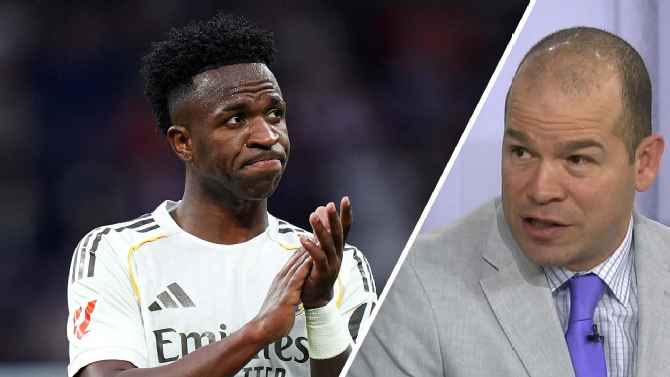
1. Alvaro Arbeloa gets his first win, but the Bernabeu is burning: With anger, that is. There were boos, there were white handkerchiefs being waved (the infamous "pañolada"), and there were calls for Florentino Perez to resign.
It began pregame and it continued after a first half that saw Real Madrid muster just one shot on target for a total xG of 0.39 against Levante, a side second-bottom with just one win in their past 10 league games. Goals from Kylian Mbappé (from the spot) and Raúl Asencio ultimately gave them a 2-0 win, but old-timers say such venom, especially towards Florentino, hadn't been seen at the Bernabeu in 20 years -- when he ended up resigning his post, in fact.
That won't happen, but it's obvious fans weren't just angry about the performance or the cup defeat to Albacete on Wednesday. Madridismo is so huge and universal that reasons vary -- and some may have no reason at all other than just venting -- but my sense is that what frustrates many is the sense of drift.
Few have any doubts that, had Real Madrid beaten Barcelona in the Super Cup final, Xabi Alonso would still be in a job. And that makes no sense. If you don't think he's right for the Bernabeu, one result shouldn't change your mind.
The choice of Arbeloa, who has half a season at Castilla under his belt and looked about as "managerial" as the guy delivering your Just Eat order, also felt improvised. Maybe Xabi was the wrong plan, but at least it was a plan. Now it feels like there isn't one.
AFCON 2025 Final - Nothing could have been more embarrassing for African football


Morocco have never made any secret of their desire to write history at the 2025 Africa Cup of Nations, although never in their wildest dreams could they - or any of us, quite frankly - imagine how the continental showpiece would conclude, amidst acrimony, animosity, accusation, as two footballing brothers almost provoked a diplomatic incident in Rabat.
Of course, the hosts' ambitions are all in tatters.
There has been no end to their 50-year wait to return to the pinnacle of the African game. There's been no fairytale title triumph on home soil. There's no crowning glory for FA President Faouzi Lekjaa, adored by his own people, summoned by the King, flanked by Gianni Infantino and Dr Patrice Motsepe, as this 15-year vision came to its realisation on January 18, 2026.
That alternative reality will never happen.
What we were left with was a chaotic, compelling, confused conclusion to this fascinating month of football, and 20 minutes of second-half stoppage time that will be discussed, analysed, pored over and speculated upon for years to come.
Let's get the grand lines over with first; Senegal won the title, their second in the last three tournaments, their second ever, with Pape Gueye scoring a thunderous winner in extra time as Morocco missed a last-minute penalty to miss the chance to win it in 90 minutes... or, at least, the 20th minute of second-half stoppage time.
But such were the stormy storylines of this one, that the result and the title are almost subplots themselves against two penalty decisions that almost forced a first ever abandonment of a major international final... an argument could certainly be made that an abandonment would have been the correct decision.
First, Senegal scored what appeared to be the winner in the third minute of the originally allocated eight minutes of stoppage time, an extended period due to a facial injury sustained by Neil El Aynaoui which required extensive treatment.
Ismaïla Sarr, stooping, headed home after Abdoulaye Seck's header had rebounded off the bar beyond Yassine Bounou.
Senegal tore off in celebration, this was - after all - the first goal they'd scored in any AFCON final, having previously failed to net in 2002, 2019 or 2021. However, they were quickly pulled back after realising that referee Jean-Jacques Ndala had blown his whistle in the build-up due to a perceived push by Seck on Achraf Hakimi, as he made space for himself to take the initial header.
The defender certainly did appear to have his hands on Hakimi, while the Paris Saint-Germain man was playing his part in the tussle as well, but the nature of his extended, staggered fall to the turf suggested the foul wasn't as clear cut as Ndala had initially thought.
The referee opted not to consult VAR to double check, despite insistent Senegalese suggestions that he should do exactly that, instead waving play on and allowing the flow of the game to continue.
It promptly went up the other end, where a Morocco corner led to Brahim Díaz - the tournament's outstanding player - falling under pressure from El Hadji Malick Diouf, an incident that appeared not to initially spark the interest of Ndala.
However, Diaz was incensed, not letting Diouf's intervention lie, and proceeded to harangue the linesmen, get up in the referee's face, implore the 66,000-strong at the Prince Moulay Abdellah Stadium to join his cause, the big screen relaying his emotional pleas, VAR gesturing and angry responses to the officials' hesitation, with the sense of injustice in the stadium intensifying as fans sniffed an opportunity for an innocuous incident to secure them a title victory at the death.
Eventually, Ndala relented, by which point, it appeared as though half of Morocco's bench were already pouring onto the pitch insisting he examine the monitor. Receiving word through his earpiece that there was something to reassess, he strode over to the pitch side screen, with both sets of technical staff and substitutes crowding round the referee as he relayed the incident.
When he signalled for the spotkick, it was West Side Story all over again, with both sets of players and staff - who had been celebrating the fraternity between these two brother countries ahead of the final - squaring up to each other and getting increasingly physical as they debated the fairness of the decision to turn to VAR to validate one pro-Morocco incident, having ignored the chance to turn to VAR to validate a pro-Senegal incident moments earlier.
The burning sense of injustice spilled into the small portion of Senegal fans, an island of yellow and green in an ocean of red, and the country's famous Gaindé supporter group, known for their pacifism, their inclusivity, their stadium-cleaning habits and relentless dancing, appeared determined to take matters into their own hands.
Some appeared hellbent on entering the field of play to accost the officials and defend their playing staff from Morocco's physical affronts, others confronted the stadium stewards, some attempted to jump over the barriers, launching themselves as police and officials, as Moroccan authorities increasingly swelled into this corner of the stadium in order to neutralise any intended spill-over onto the pitch.
Some supporters, painted all in yellow, were hauled away by officials, while others threw projectiles which rained down on the stadium stewards, one of whom had to be stretchered away with an injury to his upper body.
Some of the fans jumped onto the electronic advertisement boards and appeared determined to dislodge them from their stanchions, trampling all over the 1XBET electronic display until the boardings fell flat, extinguished.
Steadily, in this corner of the stadium, the sheer volume of riot police and assorted officials Morocco sent to quell the Senegalese storm eventually - albeit belatedly - got things under control, although on the pitch, things were taking a very different turn.
Seemingly under instruction from enraged head coach Pape Thiaw, Senegal's players started departing down the tunnel, leaving only Sadio Mané as peace-maker elect to try to salvage any semblance of a final.
Thaw's motivations weren't clear, with a combination of the ongoing security risk and a protest against the refereeing decisions being the chief theories behind his decision.
"What we felt was injustice," match winner Pape Gueye told ESPN. "There had been a foul against us before and the ref chose not to look at VAR, we were frustrated, as you said."
For several minutes, the fate of the match hung in the balance; would Senegal forfeit, only moments before the end, of a major continental final? Would Morocco's 50-year wait be ended in this fashion, in these circumstances? Was the ongoing security situation a legitimate reason for Thiaw to remove his players?
Eventually, after consultation with former Senegal head coach Claude Le Roy among others, Mane agreed to beckon his players back onto the pitch, although by this point, simmering tensions between the players were again bubbling into physical altercations, with Seck and Ismael Saibari squaring up to one another.
"Sadio told us to come back on the pitch, to remobilise us," Gueye revealed, and in a week where the future of the Nobel Peace Prize continues to be discussed, the Senegal legend's example of measured leadership and admirable calm in the face of such circumstances, on a stage such as this, certainly deserve commendation.
It was almost surreal, as Diaz, who had had to wait for over ten minutes to take the spotkick that he had fought so passionately to receive, eventually stepped up to take it while riot police still quelled Senegalese attempts to enter the field of play on the other side of the stadium.
Should play really be allowed to continue in such circumstances?
The change in Diaz's mood was notable. He cut an almost forlorn, resigned, isolated figure as he prepared to take the kick, placing the ball on the spot that Édouard Mendy had been booked for attempting to scuff and spoil.
And then he missed.
But this wasn't just a missed penalty. This was the mother of all missed penalties, as the Real Madrid forward stepped up, advancing intensely, before slowing his run, and somehow kicking a half-hearted panenka into the waiting arms of Mendy.
Immediately, there were suggestions that he had deliberately fluffed the spotkick, preferring to fail as a hero than win as a villain, but it's a hard theory to stand up given how determined he had been in appealing for the foul, his kiss to the ball as he approached to take, and his decision to panenka his finish rather than kick it wide.
If Diaz did undergo a sudden change of heart, deciding that given the injustices of the previous 10 minutes, it wasn't worth winning this way, the swing in his energy was transformative.
The complete lack of Senegal celebration at Mendy's save, eerie in its acceptance, and Diaz's immediate turn around and trot back to the centre-circle after failing suggested a gentleman's agreement. Where were the reactions and responses one would expect from the stress and the tension, the anxiety of such a situation? Why did not one single player go and thank or congratulate Mendy...he's just kept your AFCON dream alive?!
The other suggestion is damning for Diaz; that, in this moment, with 50 years of hurt at his twinkling toes, he opted to try to chip Mendy - no stranger to high-pressure panenkas - rather than just hold his nerve and lash the ball home...or let Youssef En-Nesyri take it - and humiliated himself in the process, denying Morocco their moment of glory as a nation held its breath.
Perhaps he just lost his head as his composure collapsed, given the delay, given the pressure, and his nerve deserted him when he needed it most.
Perhaps we'll never know if Diaz sacrificed himself on the altar of fair play, or whether he's guilty of the most calamitous final failure that the sport has ever seen, but it was a moment that was as baffling as it was breathtaking, as bizarre as it was bewildering.
Ultimately, it may be for the best that the match was won with Gueye's extra-time thunderbolt rather than Diaz's stoppage-time penalty, which could have hung in history as a tarnished result, and damaged...perhaps irretrievably...Morocco-Senegalese relations.
Thiaw appears set to rival Diaz as the villain of the piece, particularly if it's proven that he removed his players in protest at the referee's decision.
"A lot of time passed before [Brahim] was able to take the penalty, and this put him off," Morocco head coach Walid Regragui told ESPN. "The match we had was shameful for Africa."
"What Pape [Thiaw] did tonight doesn't honour Africa. He's an African champion now, so he can say what he wants, but they stopped the match for over ten minutes," he added. "That doesn't excuse Brahim for the way he hit [the penalty], he hit it like that and we have to own it. We need to look forward now, and accept that Brahim missed it."
It's important that Thiaw's decision isn't just seen in the context of those two incidents; it was a response to the perception that's build up throughout the tournament that Morocco are not above stacking the deck in their favour in an almost desperate attempt to win the AFCON.
From Hugo Broos's complaints about South Africa's training facilities to Tom Saintfiet's objections to the refereeing decisions not being equal as Mali held the hosts in the group stage, from Akor Adams' insistence that journalists interview the referee after Nigeria's semifinal elimination by the Atlas Lions to the ball boys' constant removing of Stanley Nwabali's towel during Wednesday's game, this is a narrative that has developed and taken root during the tournament, with shades of Argentina's manipulation of the 1978 World Cup not too far from mind.
Senegal have experienced this as well, but they came prepared.
On Friday evening, the Federation released a press release deploring four aspects of the treatment they've received in the build-up to the final - accommodation, logistics, training facilities and ticketing - putting pressure on the Confederation of African Football to affirm the organisers' impartiality.
They were prepared for the towel-stealing antics as well during the final, with Mendy's goalkeeping deputy at one point having to physically wrest the stopper's towel away from no fewer than four Moroccan pitch-side adolescents, supposedly there to assist in the fair running of proceedings, not interfere to disrupt one of the finalists.
Even Hakimi contributed to this towel-stealing fiasco at one point in the contest, such was Moroccan desperation to give themselves every advantage they could, beyond their considerable technical and tactical qualities.
This is not to excuse Thiaw's actions, but merely to provide context and explain the extent to which his actions were not an isolated response to those two refereeing decisions, but a broader protest - supposedly - against Morocco's overall attempts to stack the deck in their favour.
"When a head coach asks his players to leave the pitch, when he's saying things that already started in the press conference [before the match, when Senegal accused Morocco of unsporting tactics]...he needs to stay class, in victory as well as in defeat," Regragui added, pointing the finger at Thiaw for instigating the scenes of farce that accompanied the extended stoppage time.
It's not clear whether Senegal will be sanctioned for threatening to abandon the match, whether they would behave in such a way at the World Cup, in their match against France perhaps, or whether their behaviour will spark a precedent for teams simply threatening abandonment if they aren't happy with a marginal VAR call or even the referee's decision to consult VAR or not.
As with Diaz, how will history remember them? Will they be remembered for standing up for injustice on the grandest stage, for their backbone, and for potentially throwing away their AFCON participation? As revolutionaries against VAR? Will they be remembered for petulance and poor sportsmanship, and for winning the Nations Cup despite having abandoned the contest midway through? For delaying the restart to disrupt Diaz to the point of a meltdown, and then returning to reap the rewards?
And what of the AFCON itself? This is a tournament undergoing an identity crisis, a repetitional crisis, an existential crisis - largely accelerated by its own patrons - and its global reputation (entertainment notwithstanding) is unlikely to be enhanced by a night that will live in infamy.
Is Arbeloa the 'lucky general' Madrid need to right their season?


Exactly 236 days ago, Álvaro Arbeloa was coach of Real Madrid's third team, who'd just lost in the U19 Cup semifinal to Valencia and tied in the league with Atlético Madrid on 75 points. Not necessarily rocket-fuel stuff to propel a man to the Bernabéu hot seat in charge of Vinícius Júnior, Kylian Mbappé and Jude Bellingham, right?
Apart from a couple of dustups on the touchline with Atlético's youth coach, World Cup-winning Spain teammate Fernando Torres, Arbeloa was largely a forgotten man, hidden from media scrutiny and not quoted, in anyone's wildest dreams, as potentially the next coach of Los Blancos' senior team. Then, that same day, club legend Raúl González quit as coach of Real Madrid's B team and Arbeloa felt club president Florentino Pérez's tap on the shoulder. One step up the ladder.
Four defeats in his first five matches in charge of Real Madrid Castilla, then a 4-1 thrashing by tiny Basque club Arenas on Jan. 10 to set himself up for a night on the sofa watching the Clásico Supercopa final. Some might speculate that this ultra-Madridista would have been wearing Madrid pajamas, scarf, his strip from the 2014 UEFA Champions League-winning season and even a pair of old boots -- but I couldn't possibly comment.
We all know what happened next: Xabi Alonso was dismissed from his position in charge of the first team, replaced by Arbeloa.
After an absolutely tumultuous few days in the most coveted coaching position anywhere in the world of football, Arbeloa, whose head must be reeling, sits only a point off the top of the league, can pretty much seal a top-eight slot in the Champions League by propelling his team to victory against AS Monaco on Tuesday, and then turn to his detractors and say, "Crisis? What crisis?"
It's generally held that it was the mighty French emperor Napoleon Bonaparte who commented, cynically, "I'd rather have lucky generals than good ones." Speaking of emperors, perhaps that's a thought running through Pérez's mind right now as the knife-edge situation at Real Madrid hinges both upon whether Arbeloa, promoted above his readiness, can produce the goods and whether, or not, he's a lucky guy.
For example: Arbeloa's tenure began with a Copa del Rey defeat of monstrously embarrassing proportions, against relegation-threatened second-division Albacete. There's absolutely no way of painting the performance positively, nor, by any possible stretch of the imagination should anyone suggest that there was deliberate intention in Los Blancos' abrupt exit from a competition that, in winning, guarantees a path straight into next season's lucrative Supercopa.
Nor did Arbeloa's defiant words, which he repeated post-defeat at Albacete and before Saturday's LaLiga match, that "I wouldn't change any of my decisions" go down well. They were tagged as obstinate, lacking in awareness, rather than brave or "sticking to principles." Such is the nature of sports-media patience and understanding if there's a whiff of blood in the water.
But, and mark my words here, not being in the Copa could, without any doubt, and although unwanted, become a huge bonus for this scarred, under-siege and wobbling Real Madrid setup.
Arbeloa, not without criticism from the watching hawks in the media and fanbase, has reinstated drill-sergeant fitness coach Antonio Pintus. Talented though the Italian most certainly is, he has earned a reputation for working players brutally hard.
We live in a time when finessing footballers to fitness, rather than subjecting them to Marine Corps physical extremes, is the new, essential norm. Pintus, in metaphorical terms, will be a "kill or cure" remedy for what is a huge lack of petrol in the engine of Arbeloa's squad.
His key players have had two abominably short preseasons (you couldn't even call them training camps, more like training glimpses), and Madrid genuinely haven't given a 98-minute (90 plus added time) dominant display all season where they boss a game and don't dip -- mentally and physically -- but is the way to sort that by running their legs off in January? You'd certainly have thought not.
Well, step forward, Albacete.
Was it good general-ship by Arbeloa to leave behind players such as Mbappé, Bellingham, Thibaut Courtois and Aurélien Tchouaméni for a debut match against hungry, nothing-to-lose minnows who might bite like piranhas? No. But ...
Barcelona threw everything at their cup tie, went through and then flopped in LaLiga on Sunday. Madrid found extra power and goals in the second half against Levante and closed the gap at the top from four points to one.
Moreover, Arbeloa's playing group now has more time to train, more time with Pintus, more time to recuperate, and an avenue for the demanding Italian to ... demand more from guys who might just get the physical and mental boost necessary to better prepare them for bigger trophy shots toward the end of the season.
If, and this is a very big if, Madrid win the title or somehow lift yet another Champions League in Budapest, boasting renewed stamina, sharpness and carrying Pintus around the field of victory in gratitude then you don't need me to tell you that nobody will be ranting on about defeat at Albacete. I think the Champions League scenario, in particular, is a little unlikely, but watch this space.
Not good general-ship, but maybe lucky? Elimination has offered up opportunities.
But there's obviously a strong counter case. The monstrous whistling, jeering and vocal protests aimed at certain players, and the haughty president, before and during Madrid's 2-0 win over Levante was as startling, as loud, as angry and as flagrant as I can ever remember at the Bernabéu stadium in nearly 24 years working in Spain.
Pérez -- indeed, all billionaires who're used to winning in life -- takes badly to any kind of reverse, however small, and public humiliation like that can spark deep and dangerous rage.
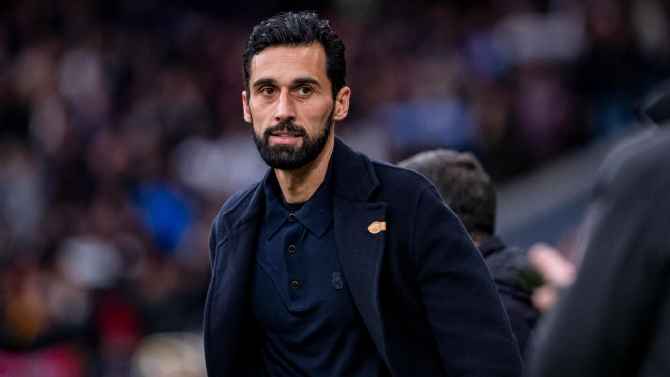
Again, what good luck for Arbeloa that the team that looked like at least a match for Madrid in the first half is one that is on its second coach of the season, that had sparse resources and that, as soon as his players upped the tempo, was overwhelmed. Had the fixture calendar thrown up a different test -- away to a tough rival, at home to a high-energy, fast counterattack team -- then who knows? But Arbeloa will say, "Who cares? Didn't happen."
Then, it must be noted, Arbeloa did a fantastic job of adopting the common parlance of politicians and high-powered press officers all over the modern world's global hotspots. Asked about the deafening booing and whistling -- quite evidently coming from Real Madrid supporters who'd either paid a pretty penny to attend on Saturday or who were paid-up season-ticketed members of the club -- he said that anyone who wanted to vent against Pérez not only didn't "love Real Madrid" but was part of a campaign. And he knew who was orchestrating it.
Orwellian nonsense that played perfectly to his employer's sensibilities.
A bit more luck this week? Potentially, yes.
Monaco, themselves, are on their second coach of the season, lost at home in their preparatory Ligue 1 match, have suffered horrible injuries to a series of key players and, frankly, look like the perfect opponent for a lucky general to step up to life in the Champions League. The Monegasques are to be respected, but that sound you hear might be the sound of tumbrils clicking into place for Arbeloa: the merest hint that, although his and Madrid's situation remains hugely in the balance, with the newbie coach under intense (which is not to say aggressive) examination from the Madrid media, Arbeloa might prove to be a very handy lucky general.
We shall see.
VAR review: Did Arsenal deserve penalty for Forest handball?

Video assistant referee causes controversy every week in the Premier League, but how are decisions made and are they correct?
This season, we take a look at the major incidents to examine and explain the process both in terms of VAR protocol and the Laws of the Game.
Screenshot credit: NBC
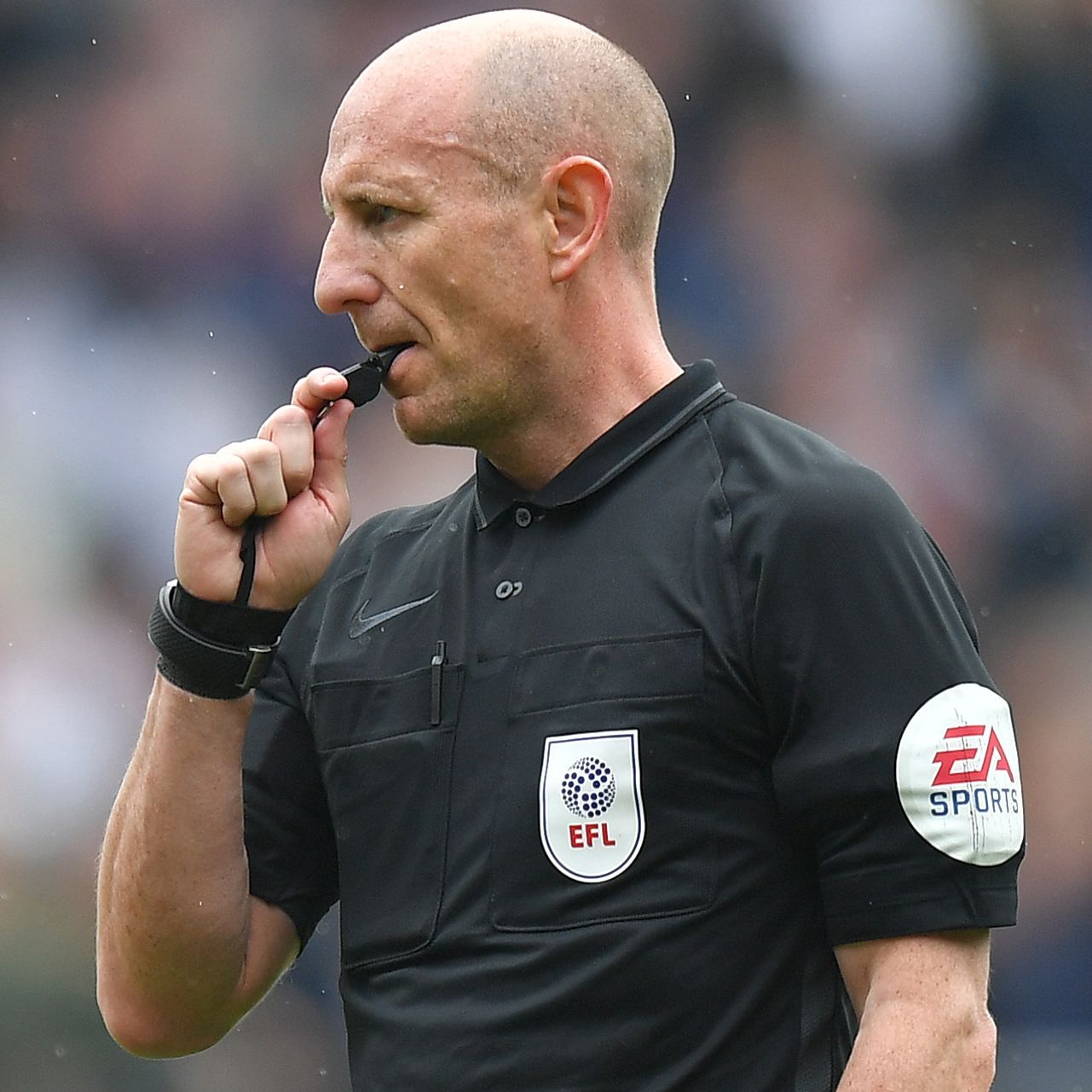 Andy Davies (@andydaviesref) is a former Select Group referee, with over 12 seasons on the elite list, working across the Premier League and Championship. With extensive experience at the elite level, he has operated within the VAR space in the Premier League and offers a unique insight into the processes, rationale and protocols that are delivered on a Premier League matchday.
Nottingham Forest 0-0 Arsenal
Referee: Michael Oliver
VAR: Darren England
Time: 80 minutes
Incident: Possible penalty for handball
What happened: With the ball running out of play for an Arsenal corner, Nottingham Forest defender Ola Aina seemingly played the ball with his arm in an attempt to keep the ball in play. Within the same movement, Forest teammate Elliot Anderson was equally keen to keep the ball in play, creating contact in the back of Aina as they both played for the same ball.
VAR decision: The referee's call of no penalty to Arsenal was checked and confirmed by VAR -- with it deemed that the ball was played off Aina's shoulder first, while his arm was also in a natural position.
VAR review: Referee Michael Oliver was completely unsighted of any potential offense in this situation. Therefore, the judgment as to whether this incident was worthy of an on-field review (OFR) was entirely down to VAR Darren England.
For a VAR intervention in this situation, certainly one with no live communication of the incident from the referee, he would need to have absolute evidence, clear of any mitigating circumstances, that an offense has been committed by the Forest player and missed by the refereeing team.
England looked at the replays many times, finally saying that the ball had deflected off Aina's shoulder and onto his arm, which he also felt was in a natural position for Aina's movement at that moment.
Equally, the contact on Aina from Anderson would have added to the level of doubt that a clear error had been made. England's final decision was to complete the check for no penalty review.
Verdict: Despite the rationale offered for a non-intervention by the VAR, the Forest defender can, in my opinion, feel fortunate that this incident did not go to an on-field review and subsequent penalty award.
I agree that the ball deflected off his shoulder and that the contact from Anderson would have had an impact on Aina's natural balance. However, neither of these considerations was enough to negate the deliberate secondary movement of his arm to play and ultimately control the ball in an attempt to keep the ball in play.
England clearly felt that there were too many "possibles" and not enough "definites" in this incident and therefore didn't feel it met the criteria for an obvious error -- an outcome that will certainly divide opinion.
Manchester United 2-0 Manchester City
Referee: Anthony Taylor
VAR: Craig Pawson
Time: 10 minutes
Incident: Red card challenge
What happened: Manchester United defender Diogo Dalot was late with a challenge on Jérémy Doku, catching the Manchester City attacker high on the knee. The on-field decision from referee Anthony Taylor was a yellow card, confirmed by VAR Craig Pawson.
VAR decision: The referee's call of yellow card to Dalot for a reckless challenge was checked and confirmed by VAR -- with the contact deemed to be glancing and not with excessive force.
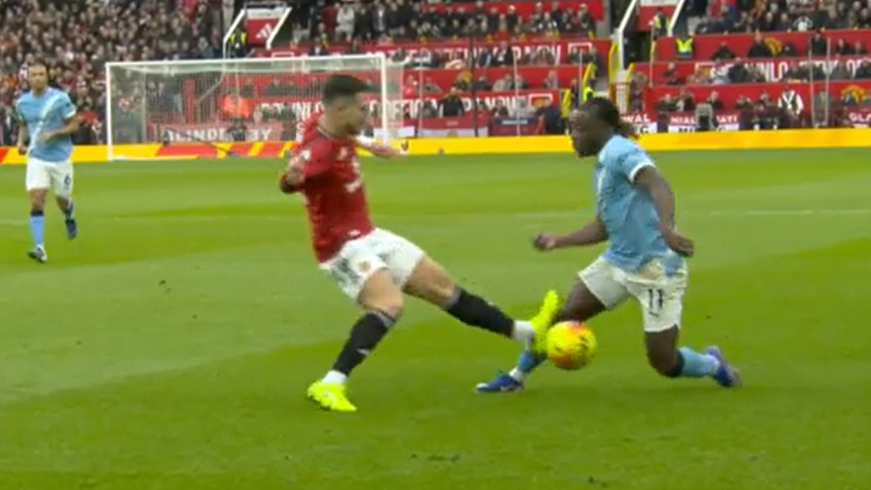
Verdict: Without doubt, this will be a major talking point of this derby match -- especially as it was just 10 minutes in, and United went on to win the game.
This was a lazy challenge by Dalot. The contact was unnecessarily late, high and across Doku's knee, all considerations that would have put Pawson in a difficult position when reviewing the challenge so early in a derby game.
The live communication from Taylor, describing the challenge and subsequent level of contact as reckless as opposed to dangerous -- understandable from an on-field perspective -- would have been Pawson's starting point in this review process.
Having watched the replays, Pawson would have felt uncomfortable given the nature of the challenge. However, considering the timing of the incident, he would not have felt that the replays offered enough evidence to recommend an on-field review and would have worked hard to make the pictures concur with the on-field decision of yellow card as opposed to red.
I feel for Pawson and understand his rationale in this situation, but I believe a red card would be expected in this incident. The nature of the challenge was dangerous, completely unnecessary and certainly endangered the safety of his opponent.
Man United deliver huge blow to Man City title hopes with shock derby win

Manchester United produced a stunning performance to shock Premier League title-chasers Manchester City 2-0 at Old Trafford in Michael Carrick's first game since taking over as interim head coach.
Carrick, appointed Tuesday, watched as his team dominated Pep Guardiola's side. United won thanks to goals from Bryan Mbeumo and Patrick Dorgu, although they had another three ruled out for offside.
City, meanwhile, managed only one shot on target as their title hopes suffered another damaging blow. It's now no league win in four games for City, giving Arsenal the opportunity to further stretch their lead at the top.
The result will boost United's hopes of qualifying for the UEFA Champions League, with a trip to face Arsenal at the Emirates to come next weekend.
For Carrick, it was the perfect start and he left the pitch being serenaded by the fans in the Stretford End. Two weeks of chaos following Ruben Amorim's sacking and Darren Fletcher's short spell in charge ended on a high note. -- Rob Dawson
- VAR review: Should Man United's Dalot have been sent off vs. Man City?
- A no-fuss, loyal, safe option: How Man United chose Carrick as head coach
- 'Head coach' vs. 'manager': What's the difference? Does it matter?
City's midfield fails them, leaving title bid in tatters
Manchester City's title bid is as good as over. If Arsenal beat Nottingham Forest later Saturday, the Gunners will be nine points clear at the top of the table and that will be too big a gap for City to bridge. Guardiola's side were never convincing at Old Trafford and the home team dominated, largely because they won the midfield battle with Casemiro and Kobbie Mainoo dominating the central third of the pitch. It has been well over a decade since that last happened.
Ever since Roberto Mancini's team was driven by the powerhouse Yaya Touré in the early years of City's rise to dominance, they have been top dogs in midfield, not just in Manchester derbies but in the Premier League. Touré, Fernandinho, Kevin De Bruyne, Ilkay Gündogan and Rodri have given City their strength in midfield.
But they are now a fading force, with only Rodri still around and the Spain midfielder is yet to fully recover from his cruciate ligament injury. In this game, Rodri, Bernardo Silva and Phil Foden didn't have the energy to compete with United and City couldn't get into the game. It's the same story in the title race. City just don't dominate games as they used to do, and this defeat offered damning proof of that. -- Mark Ogden
A perfect start for Carrick
Carrick couldn't have asked for much more from his first game in charge.
The former United midfielder was asking the fans for more noise from the moment he stepped out of the tunnel before kickoff and he got the atmosphere he was after. The supporters played their part, and they were repaid by the players who put in perhaps their best performance since the 2024 FA Cup final under Erik ten Hag against the same opposition.
Carrick and his new staff have only had three days to work with the players, but the change was obvious. Too often in games against City, the red shirts have got nowhere near the ones wearing blue. This was different.
United put City's young back four under immediate pressure and twice in the early stages, Max Alleyne misplaced passes into touch. It set the tone for the whole afternoon. United were aggressive and Luke Shaw and Mainoo steamed into challenges on Rodri as they tried to rush City's normally calm midfield anchor.
The only thing missing from the first-half display was a goal -- United twice had the ball in the back of the net but were denied by the offside flag -- and that was rectified after the break. It finished 2-0, but on another day it could quite easily have been four or five. -- Dawson
Maguire and Martínez vindicate return to back four
Manchester United's back three nightmare is truly over, and defensive rocks Harry Maguire and Lisandro Martínez showed just why four at the back is best.
Amorim was so defiantly rigid with his 3-4-3 formation that United would only use a back four once during his 14 months in charge. But United never looked comfortable in that system, and games would usually be marked by the coach substituting defenders to further confuse his players.
Against City, Carrick deployed a traditional back four with center backs Maguire and Martínez at the heart of the defense. Both players were outstanding -- so good in fact that Pep Guardiola withdrew the anonymous Erling Haaland with 10 minutes still to play. Perhaps the impact of Carrick's coaches, Steve Holland and Jonathan Woodgate, is already being felt, but Maguire and Martínez showed their experience to make the back four work against City.
Maguire is out of contract at the end of the season, but he is showing that he deserves a new deal. -- Ogden
Haaland's struggles continue
The atmosphere inside Old Trafford was wild and rabid from the first minute, and yet one of the biggest cheers came when Haaland was substituted 10 minutes before the end.
It was another difficult day for the Norway international, who was tipped to get the better of Lisandro Martínez by former United players Paul Scholes and Nicky Butt before the game. In the end, there was no doubt about who won the battle.
It's now one goal in seven games for Haaland. He has found the net only once in 2026, and that was a penalty in the 1-1 draw with Brighton & Hove Albion.
There's been a question all season about whether City have enough goals in the team to cope when Haaland isn't firing. January signing Antoine Semenyo has been brought in to shoulder some of the responsibility, but he was quiet here. Phil Foden is another useful source of goals, but he went off at halftime.
Guardiola has speculated recently that Haaland, who has played a lot of games this season, is running low on energy. It certainly looked like that against United. -- Dawson
Mainoo makes his point regaining his place
Mainoo became the poster boy for the Amorim era for all the wrong reasons after being almost completely overlooked by the former head coach.
The England midfielder had dropped so far out of the picture in the final days of Amorim's reign that his half-brother wore a "Free Kobbie Mainoo" T-shirt at a game to highlight the lack of opportunities being given to the 20-year-old.
Mainoo didn't start a single league game under Amorim this season, but he started Michael Carrick's first game in charge and played the full 90 minutes. He was excellent alongside Casemiro, bringing quality, flair and youthful energy to the midfield.
Mainoo has his faults -- he can be careless in possession and lacks pace -- but United are a much better team with him in it. -- Ogden
Dalot lucky with early challenge
Guardiola raged against the referees at Newcastle United on Tuesday and he will feel hard done by again. Diogo Dalot's challenge on Jérémy Doku in the 10th minute was high and reckless, catching the Belgium winger above the knee.
Referee Anthony Taylor dealt with it at the time, showing Dalot a yellow card. City's analysts sitting in the media tribune -- who were able to see replays -- were furious that Taylor wasn't sent to the monitor by VAR Craig Pawson.
Dalot would have had little to complain about had he been dismissed. He was lucky to stay on.
The Premier League match center later clarified that the incident was checked and cleared by Pawson, who decided the contact was "glancing and not with excessive force."
Coming so early, a red card would have changed the game. But with 11 men, United were the better team throughout and deserved to win. It was a big decision and Dalot got the benefit of the doubt. It laid the foundation for United to edge almost every key moment on a good day for Carrick and the home side. -- Dawson
Liverpool's margin for error shrinks with Burnley draw


LIVERPOOL, England -- The game was barely 20 minutes old when Dominik Szoboszlai first felt the ire of the Anfield crowd. Liverpool were searching for the opener in their Premier League clash with Burnley, and with teammates surging forward ahead of him, the Hungary international paused to assess his options.
Within seconds, Burnley's stubborn defense had mobilized, and the chance for a quick attack had been promptly snuffed out. Szoboszlai held up his hand in a gesture of apology that did little to quieten the groans inside the stadium at the sight of their No. 8 putting on the handbrake.
Perhaps, after a season which has lurched from the sublime to the ridiculous to the deeply uninspiring, the Liverpool fans knew what was coming. Less than two hours later, many of those same fans could be heard booing as coach Arne Slot and his players traipsed off the pitch, having dropped yet more precious points in a frustrating 1-1 draw with Scott Parker's struggling side.
In defense of Szoboszlai and his teammates, this display was far more engaging than most of the outings in Liverpool's recent 12-game unbeaten run. The hosts had 32 shots compared to their opponents' seven, while Burnley scored with their only shot on target.
Not for the first time this season, Liverpool fell foul of the fine margins, with visiting goalkeeper Martin Dúbravka making some fine saves and defender Bashir Humphreys clearing one effort off the line in the second half. The Reds posted an expected goals (xG) value of 2.95 -- their highest total in a Premier League game this season -- but the fact remains they failed to get the job done against a team of vastly inferior quality.
Liverpool have now been held to draws by all three newly promoted sides at Anfield. They've taken just seven points from a possible 15 against Sunderland, Leeds United and Burnley, having also played the latter two away from home. In the same such games last term, Liverpool collected the full complement of 18 points as they romped to the title.
It is just one of many areas where the fortunes of Slot's side have dipped dramatically from the heady heights of last season's triumphant campaign. Perhaps the biggest annoyance for Liverpool on Saturday is that, in spells, they looked almost back to their commanding best.
After a clumsy challenge from Florentino Luis on Cody Gakpo inside the box, Szoboszlai spurned a glorious chance to give the hosts an early advantage when he crashed his penalty against the crossbar. The failed attempt, only the second time in 22 career attempts that Szoboszlai had failed to convert a spot kick, should perhaps have been viewed as an omen for Liverpool, though they responded well to the setback and deservedly took the lead through Florian Wirtz in the 42nd minute.
After a fallow start to life on Merseyside, the Germany international is now beginning to live up to his £100 million transfer fee, with six goal involvements in his last seven games. He came close to adding to that tally early in the second half when he brilliantly shrugged off two Burnley defenders before squeezing the ball through to Gakpo, whose goal-bound effort was repelled off the line by the handily placed Humphreys.
However, Liverpool's failure to kill the game off proved costly as Burnley sensed the chance to hurt their opponents, with center back Ibrahima Konaté very nearly turning the ball into his own net amid a spell of sustained pressure from the visitors. It was a warning sign the Reds failed to heed, and shortly after the hour mark, Parker's side were level thanks to a neat finish from Marcus Edwards.
Liverpool continued to huff and puff, with the crowd urging the team forward with increasing fervor, but the Reds' ability to pull off a late rescue act -- their superpower earlier in the season -- has long since deserted them. Instead, the hosts were left to rue a barrage of missed opportunities, with some supporters voicing their disappointment after the match.
"Yeah, in my head it wasn't booing, but in my head it was frustration as well," Slot said when quizzed on the fan reaction. "So if we are Liverpool and we play against Burnley, who we have to give credit to for defending, clearing balls off the line, all the things you want to see if you are the Burnley manager, trying everything to prevent us scoring. But if you, as Liverpool, are not disappointed by having a draw at home to Burnley, then something is completely wrong.
"I completely understand the frustration. I have the same frustrations, and the players definitely have the same frustrations as the fans."
For Slot, perhaps the biggest issue he now must contend with is the disillusionment of a growing minority inside the stadium. According to Opta, Liverpool have averaged just 1.24 points across their last 17 matches -- less than the number managed by Roy Hodgson in his ill-fated spell as manager back in the 2010-11 season (1.25 ppg).
There are, of course, mitigating factors, and there is an acknowledgement inside Anfield that Slot has had to steady the ship after a disastrous November run in which Liverpool conceded 10 goals in just three games. However, with Chelsea, Manchester United and Sunderland all securing victories this weekend, the margin for error in the race for Champions League spots is dwindling.
The celebratory atmosphere at Old Trafford after United's impressive Manchester derby win suggested that one of the Reds' major rivals for European has been given a shot in the arm at a vital time after the appointment of Michael Carrick as interim boss.
The only celebrations at Anfield on Saturday evening were provided by the traveling Burnley fans as they lauded their team for a battling display on the road. It was another sign of just how far Liverpool have fallen.
Missed chance or vital point for Arsenal? Only time will tell

NOTTINGHAM, England -- Arsenal are currently playing to reach the finish line, not to burst through it.
There is nothing inherently wrong with that, especially as Saturday's 0-0 draw at Nottingham Forest extended their advantage at the top of the Premier League to seven points. The Gunners are now unbeaten in 11 games across all competitions and remain favorites to win their first title since 2004. But it will only be in May when anyone can conclusively determine whether this was a point gained at a tricky venue or another missed opportunity to pull further clear and crank up the pressure on Manchester City and Aston Villa.
City's 2-0 defeat at Manchester United earlier in the day gave this a familiar framing to last week's home game against Liverpool. Pep Guardiola's side had dropped points before then, too, but Arsenal could not capitalize, producing a timid display in a stalemate.
Nine days later, they repeated it. In fairness, Arsenal were better here, insofar as they carried a greater threat in the second half. But that chiefly came from set pieces and a lively cameo by Bukayo Saka, introduced as a 57th-minute substitute. In fact, Mikel Arteta changed five of his front six players across the 90 minutes here but never consistently carved open a Forest side typically well-organized by Sean Dyche yet residing in 17th place in the table.
There is little doubt that the Gunners possess the deepest, most balanced squad in the division after a summer outlay of £250 million on eight players. Perhaps the accompanying uncertainty, however, is that Arteta is still facing questions over how to best utilize the range of options at his disposal.
Arteta rotated his wingers from the outset here with Gabriel Martinelli and Noni Madueke starting. Martinelli was withdrawn at halftime after a shocking miss from inside the six-yard box with the goal at his mercy moments after Nikola Milenkovic blocked Declan Rice's close-range effort.
Madueke was part of a triple change on 57 minutes that saw Viktor Gyökeres and Martin Odegaard withdrawn for Mikel Merino, Saka and Gabriel Jesus. Eberechi Eze also got on the pitch, but had just 11 minutes at the end to try and influence the game. Arsenal improved, Saka chiefly driving that uptick as he and Merino both went close before an 80th-minute VAR check for an Ola Aina handball passed without punishment.
"The reality is we created four massive chances with Martinelli an open goal, Declan Rice a tap-in, Mikel [Merino], the header of Bukayo and on top of that obviously a very clear penalty in the box that has not been given," said Arteta.
"So without conceding a single shot on target again, the fact we haven't won the game with that, disappointing. And on top of that I think we can do things better, especially in certain areas attacking."
- Report: Arsenal held by Nottingham Forest, fail to capitalise on Man City slip
- Mikel Arteta 'convinced' Arsenal have ability to win four trophies
- Dawson, Ogden: Man United deliver huge blow to Man City title hopes with derby win
That last comment was the most revealing. Arsenal registered consecutive 0-0 draws in the Premier League for the first time in 14 years. There are signs of fatigue -- this was their 33rd match of the season -- and when it was put to Arteta that the schedule was catching up with his squad, he did not deny it.
"Yes a lot," he replied. "Bukayo has had a lot of minutes and as well he had a niggle before the game. So we need to manage our players.
"We have some fantastic players who can provide different things. We tried from the beginning, we tried after halftime as well, taking more risk and bringing on more players in those attacking options and we tried in every way. It wasn't enough, unfortunately."
Arteta has been accused of taking insufficient risk in certain matches this season, notably home and away against Liverpool, against Chelsea when they had a man advantage in November, and at home to City earlier in the year when Guardiola's side were palpably struggling for rhythm. That comment, therefore, felt pointed, but Arsenal still lacked the sustained attacking intensity to put a team with the sixth-worst defensive record in the division under enough pressure to fold.
The conservatism laced into their approach is surely born at least in part from the scars of the past -- three consecutive second-place finishes aligned to the weight of a two-decade wait for a league title. And it might be enough to finish top.
"Every week is an opportunity obviously," said Arteta. "We want to win every game and if we would have done that, we would have been in a different position. We made a step, a smaller one than we would have wanted, but it is a step."
They are inching forward. Nobody has been able to keep up with their pace so far, but neither have Arsenal accelerated off into the horizon as seems possible.
Ranking 2026's top 15 USMNT U21 prospects from Europe to MLS

Last year, it wasn't great.
Now, when I first started trying to rank the prospects of America's top, um, prospects a couple years back, it was great. Two years ago, Joe Scally, Gio Reyna, Malik Tillman, Ricardo Pepi, and Yunus Musah all made the list.
Then, time passed, they all got older, and nobody rose up to take their places. With those guys in the mix, my top tier of this 21-and-under ranking was labeled "USMNT stars -- and potentially European stars, too." By last year, that tier was empty. My second tier was "Fringe USMNT starters, midtier European pros" and that one: also empty! The first name on the list, kicking off the third tier, was Kevin Paredes, and he's barely played any professional soccer since the piece was published.
A lot can change in a year -- in either direction. So, has it? Have any new top prospects emerged? Or will the top two tiers be empty for the second year in a row? Although the U.S. men's national team has ceased its January camps -- which was typically a chance for fringe players to try to break through and the inspiration for this January list -- it's time to rerank the best players aged 21 or younger in the current player pool.
- Premier League table predicted: How will all 20 teams finish?
- What U.S. Soccer can do with a $100m windfall
- January transfer grades: All the biggest moves
Tier 1: USMNT stars -- and potentially European stars, too
1. Noahkai Banks, 19, center back, Augsburg
Most prospect evaluators are concerned with tools -- what skills do you have that project to the next level? I'm not going to tell you that "tools" aren't important, but rather that I think actually identifying "tools" is quite difficult at the youth level, where the competition and the athleticism is so different than what it becomes in one of Europe's Big Five top leagues. And then, even when you establish what a player's "tools" are, it's really difficult to understand how those tools will carry into the highest level.
No one has really figured out how to confidently project senior players changing leagues -- or even teams within the same league -- and the youth-to-pro jump is way, way bigger than that.
I will not be giving you a list of 16-year-old players who might be the next USMNT star, because until a player starts actually playing professional soccer games, the range of outcomes are way too wide for it to even be worth trying to figure it out. There are Americans in the youth systems of pretty much every big club in the world, and that is likely going to pay off with a couple players who eventually become USMNT regulars, but the likelihood of any one of those individual players becoming a USMNT or European star is low.
Instead, I'm focused mainly on players who do the thing that predicts future success: play professional soccer minutes at a high level, at a young age. And there is one American currently doing that: Augsburg's Noahkai Banks. The 19-year-old center back has already played 1257 Bundesliga minutes, while no other 21-and-under American has featured in even 300 minutes in a Big Five league. Among all players across the Big Five leagues, not just Americans, only eight players who were 18-or-younger at the start of this season have played more minutes than Banks.
Oh, and these are the only American players who had played more minutes in a Big Five league by the end of their age-18 season than Banks currently has:
• Christian Pulisic
• Yunus Musah
• Gio Reyna
• Joe Scally
• Weston McKennie
If he keeps up his current pace, Banks will end the year with more minutes than all but Pulisic, Musah, and Reyna. And he's doing it at a position where players tend to peak at a more advanced age.
Augsburg are just two points clear of the relegation zone in the Bundesliga, but they've played way better when Banks has been on the field. It wouldn't shock me if he made the World Cup roster, and it wouldn't shock me if he actually played at the World Cup.
Tier 2: Fringe USMNT starters, mid-tier European pros
2. Alex Freeman, 21, fullback, Orlando City
At American Soccer Analysis, they have their own, more advanced version of Stats Perform's expected possession value. It credits players for what they do with the ball and how that increases their team's chances of scoring, but it also credits players for receiving passes and for doing things that decrease their team's chances of conceding.
Based on this model, called Goals Added (G+), Alex Freeman just had the best season for a fullback in MLS since 2012, which is as far back as the G+ dataset goes.
Put a different way: you could argue that Freeman is the best fullback MLS has ever seen, and he doesn't turn 22 until after the World Cup. There's a very good chance he's playing in one of Europe's Big Five leagues at this time next year.
So why wasn't he even on the list last year? He'd played 11 total professional minutes before this past season. Projecting development: it's really hard.
Tier 3: Can they make it in Europe?
3. Caleb Wiley, fullback, 21, Chelsea
4. Damion Downs, forward, 21, Hamburg
5. Cole Campbell, winger, 19, Hoffenheim
6. Benjamin Cremaschi, midfielder, 20, Parma
These players all feel less exciting than some of the players we'll get to in the next tier. But for all the improvements MLS has made, it's still a massive leap to go from playing Real Salt Lake to Real Sociedad, Real Betis, and Real Madrid. So, I'm giving the edge to the players who have made the leap to Europe even if they've since mostly stalled out.
Caleb Wiley played a ton of minutes as a teenager in MLS, but he never really came close to playing at the same level that Freeman just showed. And it's not a great sign that Chelsea had him loaned out to Watford rather than their de facto farm team, Strasbourg. It's also not a great sign that they decided to cut his loan short and bring him back to Stamford Bridge this month. It's unlikely that he plays much, or at all, for the rest of this season.
Damion Downs signed with Southampton over the summer, rarely got on the field in the Championship, and is now back on loan in the Bundesliga, with Hamburg. Wiley and Banks are the only 21-and-under Americans who have played more Big Five career minutes than Downs -- although that number is only 251. But he started his first game back with Hamburg last week, so that number should keep increasing.
Cole Campbell is fourth on that Big Five minutes list with ... 36 minutes. Granted, he's only 19 and he plays for a much better parent club than any of these other guys. We'll see if his loan move to Hoffenheim for the rest of this season leads to more minutes.
Benjamin Cremaschi won the Golden Boot at the Under-20 World Cup last fall, and he's played 19 total minutes and completed three total passes since signing with Parma over the summer.
Tier 4: OK fine, this 16-year-old makes the list
7. Cavan Sullivan, attacking midfielder, 16, Philadelphia Union
Last year, I refused to put Cavan Sullivan on the list because there's very little correlation between being the best 15-year-old soccer player and the best 24-year-old soccer player. The research on youth development, in fact, seems pretty clear on this specific point: the athletes that specialize later in life tend to have the highest ceilings, while the kids who peak in their teens at one specific activity tend to plateau.
This isn't to say that Sullivan can't or will not become a star, but rather that a lot is going to change over the next five years, let alone the next 10 years.
Since we last did this exercise, though, Sullivan made 11 appearances for one of the better teams in MLS. Across every league in the Stats Perform database, just one player who is 16 or younger, Leicester City's Jeremy Monga, has played more professional minutes than Sullivan's 449.
Tier 5: Young goalkeepers at big clubs who never play
8. Gaga Slonina, goalkeeper, 21, Chelsea
9. Diego Kochen, goalkeeper, 19, Barcelona
Gaga Slonina's last appearance in a league match was on Oct. 22 ... of 2024. And Diego Kochen's last appearance in a league match was -- just kidding, he's still yet to play a single minute as a professional.
At the same time, goalkeepers are trickier to judge across the same timeline as outfield players since only one plays in a given match.
Slonina did play a lot in MLS before joining Chelsea at 18, and then he got a bunch of minutes while on loan for a season-and-a-half at Belgian side Eupen and later Barnsley in England's second division. He's still only 21, and most starting keepers in the Big Five leagues and beyond are way older than that.
Kochen, meanwhile, was getting lots of call-ups to Barcelona's matchday squads, which is worth something, but that hasn't happened once this season. Still, he's 19 -- a long way away from when most keepers become starters in a major European league.
There's a world where they both become starters in the Champions League; there's also a world where neither one makes any impact on the USMNT at any point. So, I'm plopping them both directly in the middle of the rankings.
Tier 6: Can they make the leap?
10. Rokas Pukstas, midfielder, 21, Hadjuk Split
11. Quinn Sullivan, winger, 21, Philadelphia Union
12. Luca Bombino, fullback, 19, San Diego FC
13. Peyton Miller, fullback, 18, New England Revolution
14. Zavier Gozo, winger, 18, Real Salt Lake
15. Joshua Wynder, center back, 20, Benfica
Rokas Pukstas feels like he's on the verge -- of something. He's been getting good minutes for a good team with a nice youth-production track record for a couple years now. He could make the jump to a Big Five league, he could land in the Eredivisie or the Belgian Pro League, or he could end up in MLS. Nothing would surprise me.
Quinn Sullivan has the most career goals and career assists of any player eligible for this list. Unfortunately, he tore his ACL back in September.
And then Luca Bombino, Peyton Miller, Zavier Gozo, and Joshua Wynder were all members of the under-20 World Cup team.
I have Bombino highest because young players who progress the ball up the field tend to become good pros, and he ranked in the 93rd percentile for progressive passes among MLS fullbacks last season. Miller is younger, more athletic, and has played more career minutes than Bombino. Gozo played a lot as an attacker in his age-17 season in MLS, and Wynder never plays with Benfica, but would almost definitely have racked up a ton of minutes at center back in MLS had he not moved to Portugal two years ago. He played nearly 3,000 minutes in the USL before turning 19.
As always, this tier ends with a much more arbitrary cut-off than the others. There are a lot of other players who would easily fit into this group but don't because I cut the list off at 15 every year. In fact, this tier (if we expanded it out) is more likely to produce a USMNT starter than our third tier or fourth tier, but most of the players in this tier also won't even get as far as any of the players in the third or fourth tier have.
Such are the vagaries of youth development: Nothing fundamental changes about the world, but the makeup of the list still changes every year.


No comments:
Post a Comment